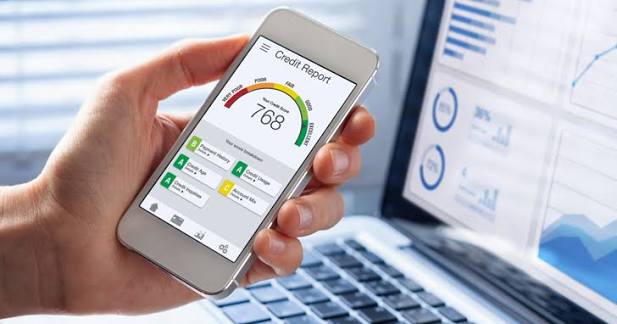
Check My Credit Score
Many borrowers searching for financing options often begin with one important question – how can I check my credit score? A credit score is one of the key indicators lenders use to evaluate an applicant’s financial behaviour and repayment history. Whether you plan to apply for a credit card, personal loan, or take a home loan, understanding your credit profile can help you make better financial decisions. A strong score may improve your borrowing prospects, while a lower score can indicate areas that require attention. Fortunately, it is now easier than ever to check CIBIL online and review your credit standing from the comfort of your home. Additionally, many borrowers use tools that help them calculate your CIBIL score or understand the factors influencing it. By regularly monitoring your credit profile and taking steps to improve credit score, you can strengthen your financial position and prepare for future borrowing needs.
Why Should You Check My Credit Score Regularly?
Your credit score reflects how responsibly you have managed credit obligations in the past. Therefore, reviewing it periodically can help you stay informed about your financial health.
Some benefits include:
- Better understanding of your credit profile
- Early identification of inaccuracies
- Improved financial planning
- Greater awareness of repayment habits
- Better preparation before applying for loans
As a result, checking your score regularly can help you avoid surprises during the loan application process.
What Is a Credit Score and Why Does It Matter?
A credit score is a numerical representation of your creditworthiness based on your borrowing and repayment history.
Lenders often review factors such as:
- Timely repayment of loans
- Credit card payment history
- Existing debt obligations
- Credit utilisation levels
- Length of credit history
- Recent credit enquiries
Consequently, maintaining a healthy score can support future borrowing requirements and strengthen your overall financial profile.
Check CIBIL Online – A Convenient Way to Monitor Credit Health
Today, borrowers can easily check CIBIL online through authorised platforms and credit information providers.
When reviewing your report, pay attention to:
- Current credit score
- Active loan accounts
- Credit card balances
- Repayment history
- Recent enquiries
- Personal information accuracy
Regular monitoring can help you identify discrepancies and take corrective action if required.
Understanding Credit Score Ranges
Credit scores are generally classified into different categories that reflect varying levels of creditworthiness.
| Credit Score Range | General Interpretation |
|---|---|
| 750 and above | Strong credit profile |
| 700 – 749 | Good credit standing |
| 650 – 699 | Moderate credit profile |
| 600 – 649 | May require improvement |
| Below 600 | Higher credit risk category |
Credit assessment criteria may vary across lenders and financial institutions.
Therefore, maintaining a higher score can enhance financial flexibility and borrowing opportunities.
How Credit Scores Affect Your Ability to Take a Home Loan
When you plan to take a home loan, lenders generally evaluate your credit score alongside factors such as income, age, employment stability, and existing liabilities.
A healthy credit profile may help:
- Strengthen loan eligibility
- Demonstrate repayment discipline
- Improve lender confidence
- Support smoother application processing
However, a credit score is only one part of the overall evaluation process. Lenders typically assess multiple financial factors before making lending decisions.
Calculate Your CIBIL Score – Understanding the Influencing Factors
While many borrowers want to calculate your CIBIL score, it is important to understand that credit bureaus use proprietary methodologies. However, several factors commonly influence the score.
These include:
| Factor | Impact on Credit Score |
|---|---|
| Repayment History | Significant influence |
| Credit Utilisation | High utilisation may affect score |
| Credit Mix | Diverse credit types may support profile strength |
| Credit Age | Longer credit history can be beneficial |
| New Credit Enquiries | Frequent enquiries may affect the score |
Therefore, managing these factors responsibly can contribute to a stronger credit profile over time.
Practical Ways to Improve Credit Score
If your score needs improvement, there are several steps that may help strengthen your credit profile.
Pay Dues on Time
Timely repayment of EMIs and credit card bills is one of the most important factors influencing credit scores.
Keep Credit Utilisation Low
Using only a portion of your available credit limit can demonstrate responsible credit management.
Avoid Multiple Loan Applications
Submitting several applications within a short period may result in multiple enquiries, which could affect your score.
Review Your Credit Report
Regularly checking your report can help identify errors or outdated information.
Maintain Older Credit Accounts
Long-standing credit relationships can contribute positively to your credit history.
By following these practices consistently, borrowers may gradually improve credit score and strengthen their financial standing.
Common Mistakes That Can Affect Credit Health
Many borrowers unknowingly damage their credit profile through avoidable mistakes.
Common examples include:
- Missing EMI payments
- Delaying credit card bill payments
- Exceeding credit card limits
- Ignoring credit report errors
- Applying for multiple loans simultaneously
Avoiding these habits can help maintain a healthier credit profile over the long term.
Summary
If you have ever wondered how to check my credit score, understanding the importance of credit monitoring is the first step towards stronger financial management. Regularly reviewing your profile, choosing to check CIBIL online, and understanding the factors that calculate your CIBIL score can help you stay informed about your credit health. Additionally, if you plan to take a home loan, maintaining a strong credit profile can support smoother borrowing experiences. By following responsible financial practices and taking steps to improve credit score, borrowers can strengthen their financial future and make more informed borrowing decisions.
About the Author