An Indian business owner looking for suppliers today has more options than ever before. Alibaba, Made-in-China, Global Sources, and countless sourcing agents promise access to manufacturers without leaving the office. Yet every year, thousands of Indian entrepreneurs, traders, distributors, retailers, and exporters still travel to China to attend industry exhibitions. The reason is simple: international trade is built on confidence, not just quotations.
A supplier’s catalogue can tell you what they sell, but it rarely tells you how reliable they are, whether their quality matches expectations, or how competitive they really are compared to alternatives. Understanding the benefits of trade fairs in China helps businesses see why face-to-face interactions continue to play a major role in successful international trade decisions.
For many first-time visitors, understanding Canton Fair registration for Indian businesses is often the starting point of a much larger growth journey.
Why Online Sourcing Often Creates More Questions Than Answers
Online sourcing platforms have made international procurement easier, but they have not eliminated risk.
An importer sitting in Delhi, Ludhiana, Ahmedabad, or Chennai may receive quotations from dozens of suppliers within a few days. On paper, the process appears efficient. In reality, buyers frequently struggle with challenges that only become visible after money has been invested.
Common concerns include:
- Product photos that do not accurately represent quality
- Factories and trading companies appear almost identical online
- Unexpected minimum order requirements
- Delays in communication
- Hidden customisation or packaging costs
- Difficulty verifying manufacturing capabilities
This is where the first major benefits of trade fairs in China become evident. Instead of evaluating suppliers through screens and emails, businesses can assess products, production capabilities, and professionalism in person.
What Indian Buyers Discover Within the First Few Hours of a Trade Fair
Many first-time attendees are surprised by how different the experience feels compared to online sourcing.
A buyer may spend months searching online for a specific product category and identify only a handful of potential suppliers. At a major exhibition, they often discover dozens of alternatives in a single day.
The advantage is not merely quantity. It is a comparison.
Walking through exhibition halls allows businesses to compare quality, pricing positions, innovation levels, packaging standards, and manufacturing expertise side by side. This exposure creates a more accurate understanding of the market than weeks of online research.
The most successful buyers do not attend fairs simply to place orders. They attend to improve decision-making.
Alibaba Versus Trade Fairs: Which Gives Better Supplier Confidence?
This is one of the most important questions for modern importers.
Online platforms are excellent for identifying potential vendors, but they rarely provide the complete picture.
What Online Platforms Do Well
Online sourcing offers:
- Fast supplier discovery
- Easy quotation requests
- Convenient communication
- Sample ordering options
For preliminary research, these tools are valuable.
What the China Canton Fair Reveals
Physical exhibitions provide insights that are difficult to obtain remotely.
Businesses can evaluate:
- Product quality consistency
- Technical expertise
- Communication professionalism
- Innovation capabilities
- Long-term partnership potential
Direct supplier meetings often reveal more in thirty minutes than weeks of email conversations.
This practical visibility remains one of the strongest benefits of trade fairs in China for serious buyers.
Why China’s Manufacturing Ecosystem Is Difficult to Understand From a Distance
Many people view China as one large manufacturing market. Experienced importers know the reality is far more specialised.
Different regions often dominate different industries.
A visitor attending exhibitions quickly gains exposure to major Chinese manufacturing hubs that specialise in electronics, machinery, furniture, consumer goods, textiles, lighting, hardware, and industrial equipment.
Understanding these regional strengths helps businesses make smarter sourcing decisions and identify more competitive suppliers.
For companies involved in sourcing products from China, this knowledge often becomes a long-term competitive advantage.
The Real Opportunity Isn’t Buying Products—It’s Finding Better Ones
Many Indian businesses attend exhibitions expecting to find suppliers.
The more valuable outcome is often discovering products they did not know existed.
Trade fairs frequently showcase:
- Newly launched products
- Improved manufacturing technologies
- Emerging consumer trends
- Innovative packaging solutions
- Market-specific customizations
These discoveries help businesses stay ahead of competitors who rely solely on online catalogues.
This ability to uncover opportunities before they become mainstream represents another of the major benefits of trade fairs in China.
How Experienced Importers Approach Trade Fairs Differently
One common misconception is that successful attendees arrive ready to place large orders.
In reality, experienced buyers follow a more strategic process.
Before the Event:
They research exhibitors and create shortlists.
During the Event
They focus on:
- Evaluating products
- Asking technical questions
- Comparing multiple vendors
- Gathering samples
- Building relationships
After Returning Home
They review findings, conduct supplier verification, request additional samples, and negotiate commercial terms.
This method reduces risk and improves supplier selection outcomes.
Many successful trade fair business deals are finalised weeks or months after the exhibition itself.
Why Networking Creates Value Long After the Exhibition Ends
Trade fairs are often described as sourcing events, but that description is incomplete.
The most valuable conversations frequently happen outside exhibition booths.
Attendees interact with:
- Manufacturers
- Distributors
- Logistics providers
- Industry consultants
- Export specialists
- International buyers
These interactions create opportunities for business networking in China initiatives that can influence growth for years.
For exporters, such relationships can unlock entirely new international trade opportunities in unfamiliar markets.
The Benefits for Both Importers and Exporters
The advantages are not limited to businesses purchasing goods.
Importers gain access to:
- Reliable manufacturers
- Better pricing visibility
- Enhanced product sourcing capabilities
- Direct connections with wholesale suppliers in China
Exporters benefit by understanding global demand trends and identifying strategic partners.
Many participants use exhibitions to explore China’s import export opportunities that extend beyond their original objectives.
This broader market visibility is one reason why the benefits of trade fairs in China continue to attract businesses year after year.
Planning the Visit Correctly Can Determine the Outcome
Attending a trade fair without a clear plan often leads to missed meetings, rushed decisions, and overlooked opportunities. The businesses that generate the highest return from trade fair visits usually begin preparing weeks before they board a flight.
Successful visitors typically:
- Define clear business objectives before attending
- Research exhibitors and shortlist relevant suppliers
- Schedule important meetings in advance
- Prepare detailed product specifications and requirements
- Set realistic sourcing and partnership goals
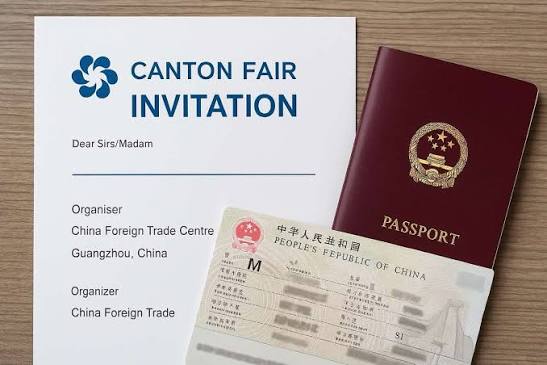
Travel planning deserves the same level of attention as supplier research. Business travellers should ensure their passport validity, invitation letters, company documents, and visa paperwork are completed well in advance.
To simplify the process, some entrepreneurs seek assistance from specialists familiar with China’s business travel requirements. For example, Flytouch Overseas, a Chandigarh-based visa and immigration consultancy, assists Indian applicants with China visa documentation, application procedures, appointment guidance, and related travel formalities for business visits, trade fairs, and supplier meetings in China.
Common Mistakes First-Time Visitors Make
- Visiting without appointments
- Collecting brochures without qualification
- Comparing price instead of total landed cost
- Placing large orders immediately
Why Trade Fairs Remain Relevant in an Increasingly Digital World
Online platforms have transformed how businesses discover suppliers, but they have not replaced the need for trust, verification, and market intelligence. In international trade, the costliest mistakes often happen before the first order is placed—when decisions are based on assumptions rather than direct evaluation.
Trade fairs bridge that gap by allowing businesses to assess products, compare suppliers, understand industry trends, and build relationships face-to-face. For Indian importers and exporters, the real value lies not just in finding suppliers but in making better business decisions. Those who attend with a clear strategy often return with opportunities that extend far beyond the exhibition floor.
About the Author