A successful entertainer’s kitchen rarely announces its cleverest features. Guests notice that drinks appear without delay, plates move easily from bench to table, and the host remains part of the conversation. What they do not see is the careful planning behind those moments. The best rooms reduce friction through small decisions about circulation, storage, lighting and noise. Each detail supports the social occasion without making the space feel engineered or formal.
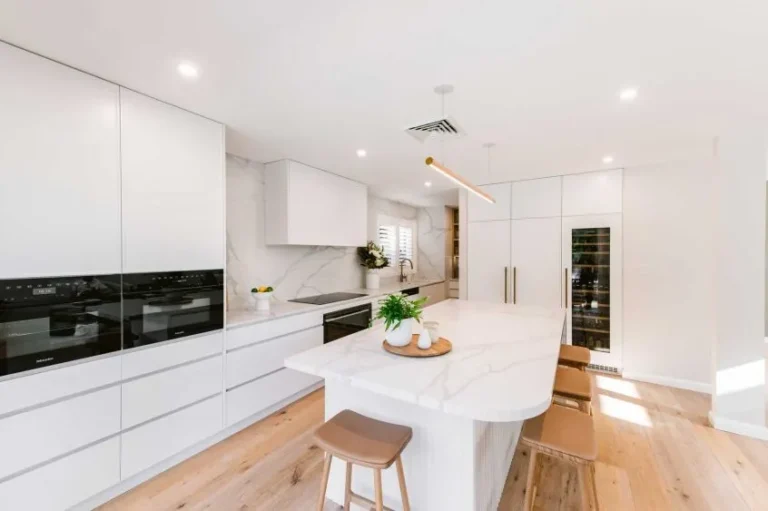
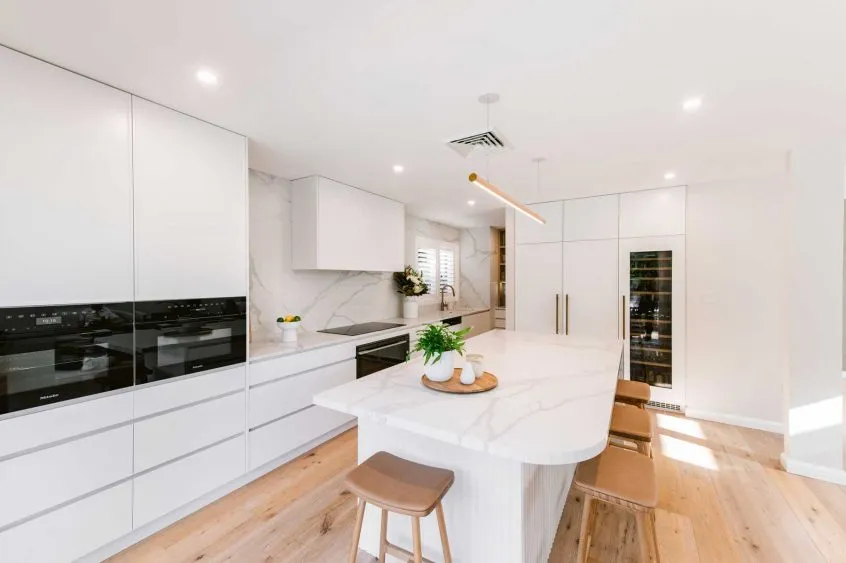
The first quiet detail is the route people take. A generous island can become a natural gathering point, but only when it does not block the path between the refrigerator, sink, cooking zone and outdoor area. Hosts need a clear working lane, while guests need an obvious place to stand, sit or refill a glass. Luxury kitchens often separate these movements subtly, using the island’s shape, a change in floor direction or a second access point rather than barriers.
Storage also affects how calm the room feels. Everyday appliances, serving platters, glassware and recycling all need homes close to where they are used. Deep drawers can make heavy dishes easier to reach, while narrow pull-outs may suit oils, trays or cleaning items. A dedicated drinks cupboard or small bar zone prevents people from crossing the cooking area. When storage follows the sequence of an event, preparation and clearing become much easier.
Sound deserves equal attention. Hard surfaces can make conversation tiring when several people are in the room. Timber elements, upholstered stools, curtains, rugs in adjoining areas and carefully chosen ceiling treatments can soften the effect. Quiet-closing hardware and low-noise appliances also matter. These choices do not remove the energy of a gathering. They stop clatter and mechanical noise from competing with it.
Lighting should change with the occasion. Strong task light helps during preparation, yet the same level can feel harsh once guests arrive. Layered lighting allows the room to shift from workplace to social setting. Concealed strips can illuminate benches, pendants can define the island, and warm ambient light can connect the kitchen with nearby living areas. Controls should be simple enough that the host can adjust the mood without leaving the room.
The relationship between indoor and outdoor areas is particularly important for Australian entertaining. Doors, serving points and weather protection should be considered together. A direct route to a terrace is useful, but an opening beside the main cooking zone may create congestion. Shade, glare and changing temperatures can also influence where food is prepared and served. Luxury kitchens respond to the whole entertaining area, not only the cabinetry within four walls.
Finishes contribute to ease as much as appearance. Surfaces near busy preparation areas should suit regular wiping, hot dishes and repeated use. Highly reflective materials may show fingerprints, while deep joints can collect crumbs. A refined result comes from balancing texture with practicality. The most convincing spaces use beautiful materials in places where they can age well, then choose quieter, resilient options for the hardest-working zones.
A practical test can expose hidden weaknesses before construction begins. Mark the island and major cabinets on the floor, then rehearse carrying a tray, opening the dishwasher and welcoming people through the main entry. Check where handbags, phones and serving dishes will land. This simple exercise often reveals that a passage is too narrow or that a stool sits in the path of a door. It also helps the household agree on priorities before finishes distract from function.
Finally, a seamless room supports the host after the last guest leaves. Bins should be accessible, dishes should move logically towards cleaning, and leftover food should be stored without crossing the whole kitchen. A second sink or concealed utility area may help in some homes, but it is not essential. The principle is simple: every step should feel natural. Luxury kitchens succeed when thoughtful planning disappears into the experience, leaving people to remember the meal, the conversation and the welcome.
About the Author