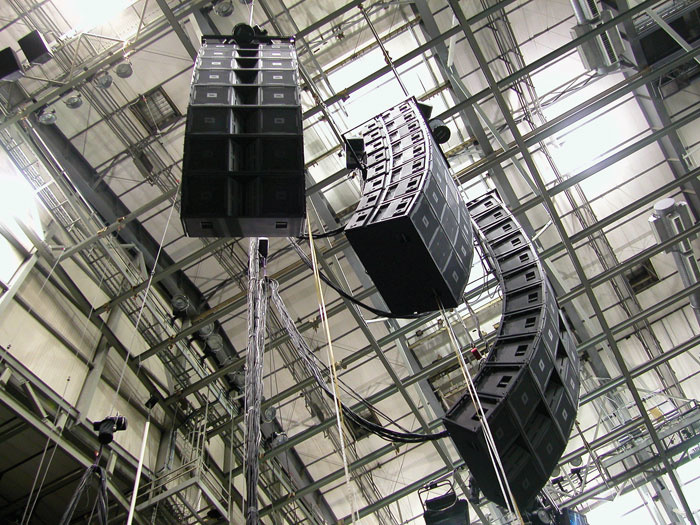
A public meeting room succeeds when every person can follow the discussion. That sounds simple, yet council chambers often combine long tables, public galleries, hard surfaces, video links and speakers who turn away from microphones. Music quality matters little if names, motions and questions become difficult to understand. A speech-first design begins with the path of the spoken word, from the person talking to the listeners in the room and those joining or watching remotely.
Microphones are the starting point because a sound system cannot restore words that were never captured clearly. Each seat should have suitable access to a microphone, and users need straightforward guidance on distance and speaking direction. Automatic mixing may help manage several channels, but settings should support natural conversation rather than cutting off quiet speakers. The room also needs a process for public questions, presentations and mobile participants who do not sit at the main table.
Once speech is captured, coverage must remain even. Properly placed commercial audio speakers can keep voices close to listeners without making the front rows uncomfortably loud. The design should consider the chamber floor, councilor positions, staff desks and public seating separately. Ceiling height, reflective walls and large display surfaces may create echoes, so speaker direction and acoustic treatment need to work together. Simply adding level can make reflected sound stronger and reduce clarity.
Delay and zoning can become important in larger rooms. Listeners should hear the amplified voice at a time that feels connected to the person speaking. If a public gallery sits far from the main table, its speakers may require careful timing. Separate zones can also prevent unnecessary sound from reaching unused areas. These settings need professional commissioning and should be protected from casual adjustment once the room is working correctly.
The audio system must connect cleanly with conferencing, recording and hearing assistance. Remote participants should hear the chamber without echo, while people in the room need a clear return feed. Recordings should capture each contribution at a useful level. Assistive listening options and other accessibility measures should be planned with current obligations and user needs in mind. Commercial audio speakers are one part of that chain, not a substitute for inclusive room design or specialist advice.
Controls should suit staff who run meetings rather than audio engineers. A touch panel might offer simple modes for ordinary sessions, presentations and hybrid meetings. Clear labels, locked technical settings and visible microphone status reduce errors. A manual fallback remains valuable when automation behaves unexpectedly. Support procedures should identify who can restart equipment, check connections and contact a technician without delaying the meeting for an extended period.
Testing should use the room as it will operate. A technician can measure performance, but councilors, clerks and members of the public should also take part in trials. They can reveal whether soft voices remain clear, whether papers or laptops block microphones and whether remote questions are easy to follow. Testing from every seating area is essential. A room that sounds good at the control desk may still fail at the rear of the gallery.
Room design can reduce the burden on electronics. Soft finishes, suitable ceiling elements and controlled reflections may improve understanding before processing is applied. Furniture layouts should keep microphones, listeners and loudspeakers in sensible relationships. When a chamber is refurbished, audio planning should happen alongside architecture and technology rather than after surfaces and seating are fixed. Early coordination can also protect sightlines, accessibility and the formal character of the room.
A speech-first chamber does not draw attention to its technology. It allows debate, procedure and public participation to remain central. When microphones, processing, room acoustics and commercial audio speakers are designed as one system, words arrive with less strain and fewer requests for repetition. That clarity supports more orderly meetings and gives everyone a better chance to understand the decisions being made.
About the Author