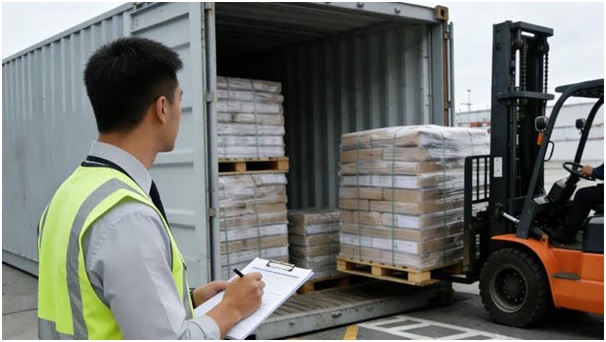
There’s a quality inspection step that doesn’t get nearly as much attention as pre-shipment checks or factory audits, yet it sits right at the end of the supply chain and can determine whether everything that came before it actually mattered. Container loading supervision (CLS) — also called container stuffing supervision — is the process of having an independent inspector present while goods are loaded into the shipping container.
It sounds straightforward. In practice, it prevents a specific category of problems that no other inspection step can catch.
What Container Loading Supervision Actually Catches
The most obvious issue is quantity. Despite a passed pre-shipment inspection confirming 5,000 units, it’s not unheard of for containers to arrive at destination with 4,700. Whether this results from theft, loading errors, or deliberate substitution, an inspector present during loading provides documented verification of what went in.
Other problems caught during CLS include: loading of damaged or wet cartons that passed visual inspection when dry; improper stacking that will cause product damage during transit; mixing of previously rejected units back into the packed load; container condition issues such as moisture, odours, pest evidence, or structural damage; and seal number documentation gaps that cause customs or insurance complications.
| Issue Type | Frequency (Asia Export Shipments) | Impact Without CLS |
| Quantity shortfall | ~7–9% of shipments | Dispute with supplier, delay in resolution |
| Carton damage during loading | ~5% | Product damage, insurance claim complications |
| Rejected units reintroduced | ~3% | Customer complaints, returns |
| Container condition problems | ~4% | Moisture damage, contamination claims |
| Seal documentation gaps | ~6% | Customs delays, compliance issues |
Source: Industry estimates based on third-party QC operator data, 2023–2024
Why It Matters More in Certain Markets
In Vietnam and India, container loading supervision is particularly valuable for high-volume garment and consumer goods shipments where carton counts are large and the margin for counting errors is significant. A 2% short shipment on 50,000 units is 1,000 units — a meaningful discrepancy. Established Third Party QC providers in India routinely bundle CLS with pre-shipment inspections precisely because the two steps together close the gap that either step leaves open individually.
In Indonesia, furniture exporters deal with bulky, irregularly-shaped items. Improper loading can cause significant damage in transit, particularly on long hauls to US or EU ports. Supervision during loading — including verification of proper bracing and dunnage — is a standard request from experienced furniture importers.
How to Arrange Container Loading Supervision
CLS is typically arranged as an add-on to a pre-shipment inspection or as a standalone booking. The inspector attends the loading at the factory or freight forwarder’s warehouse, counts each carton as it’s loaded, verifies carton and seal numbers, and photographs the final sealed container. The report is usually available within 24 hours of loading completion.
The cost is roughly equivalent to a standard inspection day — typically $200–$350 for most locations across the region. For any shipment above $20,000 in value, that level of protection is difficult to argue against. In Indonesia specifically, Third Party QC providers in Indonesia with experience in furniture and consumer goods loading bring knowledge of proper stowage requirements that generic logistics providers simply don’t carry.
For buyers who’ve been burned by short shipments or transit damage and couldn’t prove what left the factory, CLS provides the documented evidence that changes those conversations entirely.
About the Author