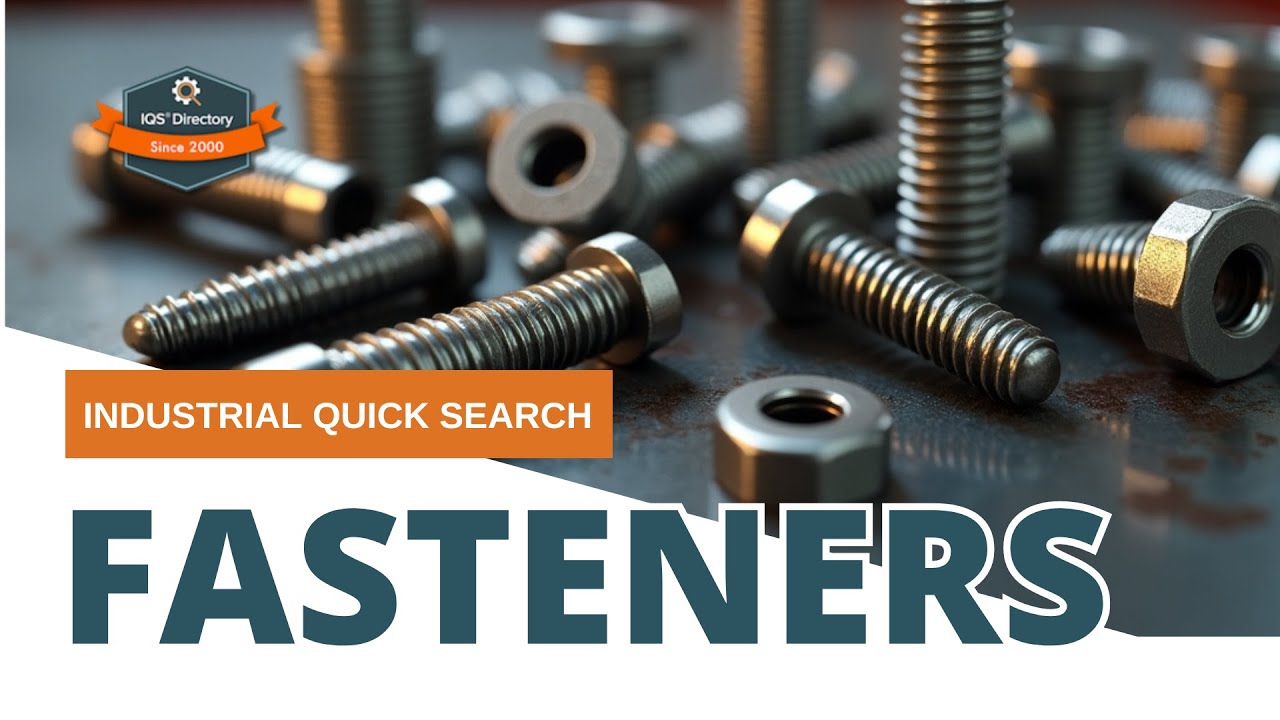
In modern engineering and manufacturing, every structure and machine relies on small but critical components that ensure stability, durability, and strength. Among these essential components, industrial fasteners play a fundamental role in holding structures together and maintaining the integrity of mechanical systems.
From large infrastructure projects to complex machinery and advanced manufacturing equipment, industrial fasteners are essential for creating secure and durable connections between components. Without these small yet powerful elements, it would be nearly impossible to assemble or maintain modern engineering systems. Businesses seeking reliable fastening solutions often turn to trusted suppliers such as https://www.schutts.com.au to source high-quality industrial fasteners suitable for demanding industrial environments.
What Are Industrial Fasteners?
Industrial fasteners are mechanical components used to join or secure two or more objects together. They provide strong and reliable connections while allowing structures and equipment to remain serviceable. Unlike welding or adhesives, fasteners allow components to be assembled and disassembled when necessary, making them extremely versatile in engineering and manufacturing applications.
Common types of industrial fasteners include:
- Bolts
- Screws
- Nuts
- Washers
- Rivets
- Studs
These components are manufactured using durable materials such as stainless steel, alloy steel, brass, and titanium. The use of strong materials ensures that fasteners can withstand heavy loads, vibration, and environmental exposure.
Why Industrial Fasteners Are Important
Although they may appear small, industrial fasteners have a significant impact on structural safety and mechanical performance. Their reliability directly influences the strength and longevity of machinery, buildings, and infrastructure.
Structural Strength
Fasteners create secure joints that hold structures together. Whether used in heavy machinery, industrial equipment, or large construction projects, strong fasteners ensure that components remain firmly connected and stable.
Proper fastening prevents unwanted movement, which could otherwise lead to structural damage or mechanical failure.
Ease of Assembly and Maintenance
Another important advantage of industrial fasteners is the convenience they provide during assembly and maintenance. Engineers and technicians can quickly install fasteners to assemble complex systems.
If repairs or upgrades are required, fasteners allow components to be removed and replaced without damaging surrounding structures. This flexibility makes maintenance faster and more efficient.
Versatility Across Industries
Industrial fasteners are used in a wide range of industries due to their adaptability and strength. They play an important role in sectors such as:
- Construction and infrastructure
- Manufacturing and machinery production
- Automotive assembly
- Aerospace engineering
- Marine equipment manufacturing
Companies sourcing reliable fastening solutions from https://www.schutts.com.au can find a wide range of industrial fasteners designed to meet the needs of these diverse industries.
Types of Industrial Fasteners
Different engineering applications require different types of fasteners, each designed for specific purposes.
Threaded Fasteners
Threaded fasteners such as bolts and screws are the most commonly used. These fasteners create strong clamping forces and can be easily installed or removed when needed.
Non-Threaded Fasteners
Non-threaded fasteners include rivets and pins. These are often used in permanent assemblies where disassembly is not required.
Specialty Fasteners
Specialty fasteners are designed for unique applications that require additional strength, corrosion resistance, or the ability to withstand extreme temperatures.
Materials Used in Industrial Fasteners
The material used in manufacturing industrial fasteners plays a crucial role in determining their strength, durability, and resistance to environmental conditions.
Common materials include:
- Stainless steel for corrosion resistance
- Carbon steel for high strength and durability
- Brass for electrical conductivity and corrosion resistance
- Titanium for lightweight strength in high-performance applications
Suppliers such as https://www.schutts.com.au provide industrial fasteners made from high-quality materials that meet strict industrial standards and performance requirements.
Industrial Applications
Industrial fasteners are used in nearly every engineering sector. Their ability to create strong and reliable connections makes them indispensable in modern industrial systems.
Some common applications include:
- Construction and infrastructure projects
- Machinery and equipment manufacturing
- Automotive and transportation assembly
- Marine equipment production
- Industrial storage systems and heavy-duty installations
Their reliability ensures that machines, buildings, and equipment can operate safely and efficiently for many years.
Conclusion
Industrial fasteners are fundamental components in modern engineering and manufacturing. Despite their small size, they play a vital role in ensuring the strength, safety, and durability of structures and machinery.
By choosing high-quality fastening solutions, businesses can improve the reliability and longevity of their equipment and infrastructure. Companies looking for dependable hardware can explore a wide range of industrial fasteners available from https://www.schutts.com.au, ensuring long-term performance and operational efficiency.
About the Author