Role of Breast Cancer Specialists
Early detection and accurate diagnosis play an important role in breast cancer care. When changes are found early, treatment planning becomes clearer, and medical outcomes often improve. Doctors can assess the condition sooner and take timely steps based on medical findings.
Breast cancer specialists are trained to recognise early signs, recommend the right tests, and confirm diagnoses using established medical methods. The involvement of breast cancer specialists ensures that breast health concerns are examined promptly, carefully, and with clear medical guidance.
A breast cancer specialist in Mumbai
supports early diagnosis through careful evaluation and clinical experience. These specialists assess symptoms, advise on appropriate screening, and interpret test results accurately. Their approach helps patients feel supported and informed during the assessment process.
How Breast Cancer Specialists Support Early Detection and Diagnosis?
Breast cancer specialists follow a step-by-step medical approach to identify concerns early and confirm findings accurately. Each stage helps doctors reach a clear diagnosis and guide responsible next steps.
Importance of Early Detection
Early detection means identifying breast cancer before it progresses. This often allows for simpler treatment planning and better recovery prospects.
Early detection helps because it:
- Allows treatment to begin at an earlier stage.
- Reduces the need for complex medical procedures.
- Supports better long-term health outcomes.
- Helps doctors understand the condition clearly from the start.
Specialists discuss early detection in a factual and reassuring way, helping patients understand its importance without causing alarm.
Initial Clinical Assessment
Diagnosis usually begins with a detailed clinical assessment. The specialist gathers medical information and performs a physical examination.
This stage includes:
- Reviewing personal and family medical history.
- Understanding reported symptoms and how long they have been present.
- Examining the breasts and nearby lymph nodes.
This assessment helps decide whether further tests are needed.
Role of Screening in Early Diagnosis
Screening helps detect breast changes before symptoms appear. Specialists recommend screening based on age, medical history, and risk factors.
Common screening tests include:
- Mammography to detect early tissue changes.
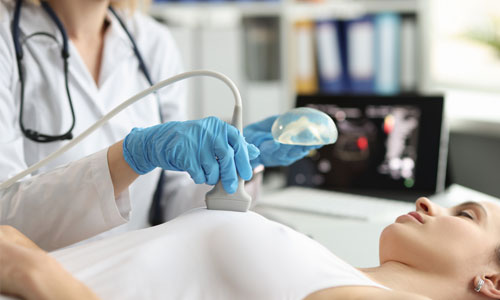
- Ultrasound for clearer imaging when required.
Specialists explain screening results in simple terms and guide the next steps if further checks are needed.
Diagnostic Imaging and Test Selection
If screening or examination shows concern, specialists arrange additional imaging tests. These tests provide a clearer view of specific areas.
Specialists ensure that:
- Tests match clinical findings.
- Reports are reviewed carefully.
- Results are shared clearly and promptly.
This helps avoid unnecessary testing and delays.
Biopsy and Diagnostic Confirmation
When imaging shows abnormal findings, a biopsy may be required to confirm the diagnosis. Specialists decide the type of biopsy based on medical guidelines.
Their role includes:
- Explaining why the biopsy is needed.
- Ensuring the procedure follows safety standards.
- Reviewing test results carefully.
Results are shared clearly and sensitively, helping patients understand the diagnosis without added stress.
Coordinated Diagnostic Decision-Making
Diagnosis often involves multiple medical teams. Breast cancer specialists bring together information from imaging and pathology to ensure consistency.
A breast cancer specialist in Mumbai often:
- Reviews inputs from different diagnostic teams.
- Confirms that findings align across reports.
- Supports clear and evidence-based conclusions
This coordination improves diagnostic accuracy and speeds up decision-making.
Supporting Patients During Diagnosis
The diagnostic process can be stressful. Specialists support patients by communicating clearly and addressing concerns patiently.
Support includes:
- Explaining each step of the process.
- Answering questions carefully.
- Using clear and simple language.
This helps patients feel informed and respected throughout the process.
Follow-Up and Continued Assessment
Early detection also depends on proper follow-up. Specialists ensure test results are reviewed on time and that further steps are planned promptly.
Follow-up helps to:
- Track changes over time.
- Clarify earlier findings.
- Support informed medical decisions.
Continuity of care remains important for accurate diagnosis and timely treatment.
Conclusion
Breast cancer specialists play a key role in early detection and diagnosis through careful assessment, appropriate screening, and accurate testing. Their structured and supportive approach ensures that breast health concerns receive timely medical attention. By guiding patients and their families clearly through each diagnostic stage, specialists support earlier identification and better-informed healthcare decisions, which contribute to improved outcomes and quality of life.
About the Author