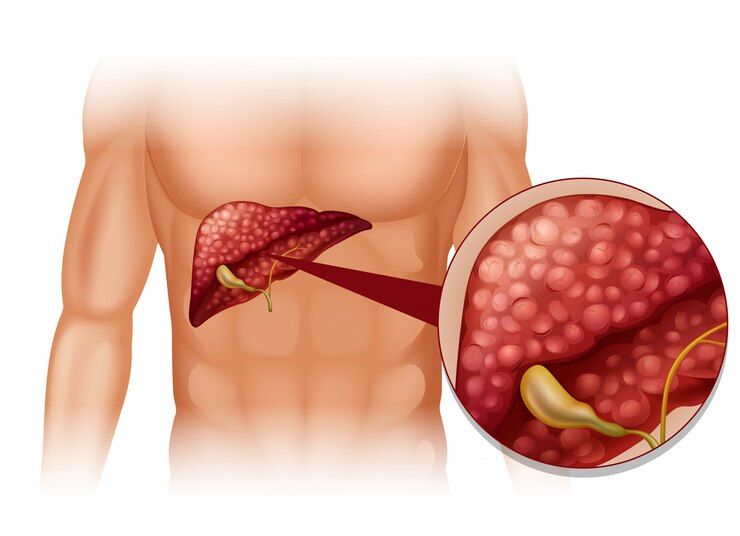
Advanced Liver Treatments & Diagnostics Offered in Mumbai
The liver plays an important role in digestion, metabolism, and detoxification. Its function can be affected by lifestyle habits, infections, long-term medication use, and metabolic conditions. Many liver concerns develop gradually and may not show clear symptoms in the early stages.
With growing awareness and access to testing, liver conditions are now being identified earlier, especially in urban settings like Mumbai. Patients have access to structured diagnostic services and advanced treatment options that support timely and appropriate care. Consulting a liver specialist in Mumbai at the right stage helps clarify the condition, guide treatment decisions, and support long-term liver health.
Understanding Liver Conditions That Need Advanced Care
Liver conditions differ in cause and severity. Some develop over time, while others need timely medical attention. Many conditions show mild or unclear symptoms in the early stages, which makes proper assessment important. Common liver conditions that often require specialist care include:
- Fatty liver disease is linked to lifestyle or metabolic factors
- Viral hepatitis and ongoing liver inflammation
- Cirrhosis caused by long-term liver damage
- Autoimmune liver disorders
- Liver tumours and bile duct–related conditions
Because early signs are often subtle, structured testing and regular monitoring help identify problems before they progress. Specialist evaluation supports accurate diagnosis and timely treatment planning.
Diagnostic Tests Used to Assess Liver Health
Accurate diagnosis guides every stage of liver care. Specialists use a combination of clinical assessment and diagnostic tests to understand liver function and identify underlying conditions.
-
Blood Tests and Clinical Assessment
Evaluation often begins with liver function tests. These measure enzyme levels, proteins, and bilirubin to assess how well the liver is working. Results may indicate inflammation, tissue damage, or reduced function. Doctors also review medical history, current medicines, and lifestyle factors to interpret findings correctly and plan further tests when needed.
-
Imaging and Non-Invasive Assessments
Imaging helps assess liver size, structure, and blood flow. Common investigations include ultrasound, CT scans, and MRI. Non-invasive tests such as FibroScan measure liver stiffness to assess fibrosis. These methods provide valuable information without surgery and may reduce the need for biopsy in certain cases.
-
Liver Biopsy When Required
In some situations, a liver biopsy may be advised. This involves analysing a small tissue sample to clarify the diagnosis. Doctors usually recommend it only when other tests do not provide sufficient information.
Medical Management of Liver Disorders
After diagnosis, treatment focuses on supporting liver function and managing the condition effectively. Medical care depends on the underlying cause and may include:
- Medicines for viral hepatitis
- Targeted treatment for autoimmune liver disorders
- Diet and lifestyle guidance for fatty liver disease
- Regular monitoring for long-term liver conditions
Treatment plans are reviewed based on response and follow-up test results. Scheduled reviews help doctors monitor changes early and adjust care when required.
Advanced Interventional and Surgical Treatments
Some liver conditions need interventional or surgical care when medicines alone are not enough. Mumbai has experienced teams who manage these procedures with structured planning and clinical oversight.
-
Interventional Radiology in Liver Care
Interventional radiology uses imaging guidance to treat liver tumours or blood vessel-related conditions. Techniques such as tumour ablation or targeted embolisation allow treatment with minimal impact on surrounding liver tissue. These options are often considered when open surgery is not suitable.
-
Hepato-Pancreato-Biliary Surgery
Hepato-pancreato-biliary surgery treats conditions affecting the liver, bile ducts, and pancreas. These procedures may be used for both non-cancerous and cancer-related conditions. Care teams assess each case carefully to plan surgery safely and support recovery.
Liver Transplant Evaluation and Care
When liver function declines significantly, transplant evaluation may be advised. This process involves careful medical assessment and structured planning. A liver specialist in Mumbai coordinates with transplant teams to review health status, disease stage, and overall readiness. After transplantation, regular monitoring, medicines, and follow-up care help support recovery and ongoing liver function.
Role of Multidisciplinary Liver Care Teams
Liver treatment often involves a team of specialists working together. Hepatologists, surgeons, radiologists, nutrition experts, and critical care teams coordinate care at different stages. This approach supports consistent decision-making, clear communication, and organised follow-up throughout treatment.
Importance of Early Diagnosis and Specialist Consultation
Early diagnosis supports timely and structured liver care. Many liver conditions are easier to manage when identified before complications develop. Specialist consultation helps patients understand test findings, suitable treatment options, and follow-up needs. Guided care ensures appropriate monitoring and informed decisions at each stage of treatment.
What Patients Should Consider Before Choosing Treatment?
Choosing liver care requires careful consideration. Patients should focus on:
- Specialist experience with similar conditions
- Access to comprehensive diagnostics
- Availability of surgical and transplant support if needed
- Clear communication and follow-up planning
A structured care plan that covers both routine monitoring and advanced treatment supports continuity.
Conclusion
Liver conditions often develop gradually, which makes early assessment and organised care especially important. Access to advanced diagnostics, specialist evaluation, and structured treatment planning helps patients manage liver concerns more effectively at each stage. Clear discussions around test results, treatment options, and follow-up schedules support informed decisions and steady monitoring. With the right clinical guidance and continuity of care, many liver conditions can be managed in a stable and well-supported manner over time.
About the Author