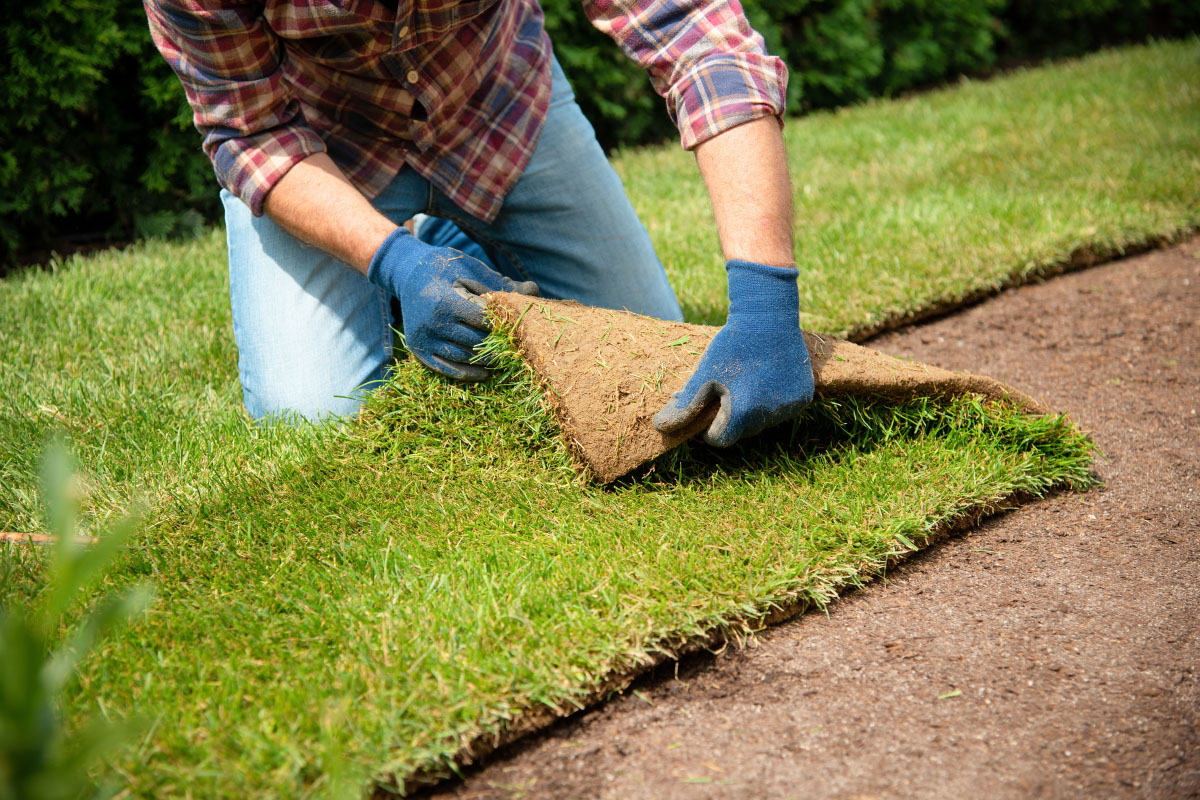
Man laying grass turf rolls for new garden lawn
A lush green lawn instantly elevates a home’s look and creates a welcoming outdoor space. Selecting the correct type of turf and learning the proper installation method can make your garden both attractive and durable. The right turf suits your climate, soil, and lifestyle, while proper installation helps it grow strong. Whether you’re building a family play area, a decorative front yard, or a low-maintenance patch, understanding the basics is key to long-term success.
Understanding the Different Types of Turf
Each lawn is unique, and so are the types of turf available in Australia. Choosing the right one depends on sunlight, soil type, and how often the area is used.
1. Couch Turf
Couch turf has delicate leaves and grows quickly in sunny spots. It tolerates high traffic, making it ideal for active families and pets. It does, however, need regular mowing and edging to maintain a neat appearance.
2. Kikuyu Turf
Kikuyu is known for its fast growth and vibrant green colour. It thrives in warm weather and recovers quickly from wear and tear. It’s best suited to open gardens with plenty of sun, but can spread fast, so border control is essential.
3. Buffalo Turf
Buffalo turf is a soft-leaf variety that performs well in both sun and shade. It’s durable, low-allergy, and requires less mowing than other grasses. Modern versions, such as Sir Walter Buffalo, are particularly popular for their resilience and ease of care.
4. Zoysia Turf
Zoysia has a slow growth rate and forms a dense, soft carpet. It withstands drought well and needs less maintenance than other types of turf. Because it grows slowly, it’s ideal for homeowners who prefer less mowing and watering.
5. Tall Fescue Turf
Tall Fescue is a cool-season grass characterised by its wider blades and strong roots. It grows well in shaded areas and is suitable for cooler regions. It gives a lush, deep-green appearance and remains soft to the touch.
Preparing the Ground Before Laying Turf
Good preparation is the foundation of a lasting lawn. Start by removing weeds, stones, and debris from the area. Turn and loosen the soil to a depth of 10–15 centimetres. Add compost or organic matter to improve texture and drainage. Rake the surface smooth and level, ensuring it’s firm but not compacted. Water the soil a day before laying turf so it’s moist but not muddy.
Step-by-Step Process for Laying Turf
Follow these steps carefully for the best results:
- Plan your layout: Begin laying from a straight edge, such as a driveway or fence line.
- Lay the rolls tightly: Place each roll edge-to-edge without overlapping, staggering the joints in a brick pattern.
- Press the turf down: Use a roller or gently step on the edges to remove air pockets.
- Trim and adjust: Use a sharp knife to neatly shape corners or edges.
- Water immediately: Within 30 minutes of laying turf, give it a thorough watering.
- Allow it to settle: Avoid walking on the new turf for at least two weeks.
Aftercare and Maintenance
After laying turf, proper care plays a crucial role in helping the roots establish. Water daily for the first fortnight, especially during dry spells. Reduce watering once the turf is firm underfoot. The first mowing can be done after two to three weeks, when the grass reaches a height of around 5–6 cm. Keep the mower blades high for the first few cuts. Apply a slow-release fertiliser every two to three months to promote steady growth and colour.
Conclusion
A thriving lawn depends on choosing the right types of turf and preparing the soil with care. With the proper steps for laying turf, you can achieve a healthy, even surface that enhances your garden’s appearance year-round. Consistent watering, mowing, and fertilising will keep it lush and vibrant. When done right, your turf will not only enhance the beauty of your home but also provide a refreshing outdoor space for family and friends to enjoy.
About the Author