Uterine cancer develops in the lining of the uterus and can affect a woman’s overall health if not detected early. Symptoms such as unusual vaginal bleeding, pelvic discomfort, or changes in menstrual patterns should not be ignored. Early medical evaluation allows doctors to diagnose the condition promptly and recommend appropriate care.
Understanding Uterine Cancer Treatment
Treatment planning for uterine cancer requires a detailed clinical evaluation. Doctors review imaging studies, biopsy results, and the patient’s overall health to determine the most suitable course of action.
In many cases, uterine cancer treatment involves a combination of therapies rather than a single method. Surgery, radiation therapy, chemotherapy, and hormone therapy may be used individually or together, depending on the stage and characteristics of the cancer.
Surgical Treatment Options
Surgery is often the first and most important step in treating uterine cancer, particularly when the disease is detected at an early stage. The goal of surgery is to remove cancerous tissue and assess whether the disease has spread.
- Hysterectomy: A hysterectomy involves removing the uterus and may also include the removal of the fallopian tubes and ovaries. This procedure helps eliminate the primary site of cancer.
- Lymph Node Evaluation: Surgeons may examine or remove nearby lymph nodes to determine whether the cancer has spread beyond the uterus. This information helps guide further treatment decisions.
- Surgical Techniques: Depending on the patient’s condition, surgery may be performed using open, laparoscopic, or robotic-assisted techniques. Minimally invasive approaches can support faster recovery and shorter hospital stays.
Surgical treatment remains the foundation of care for many patients with uterine cancer.
Radiation Therapy
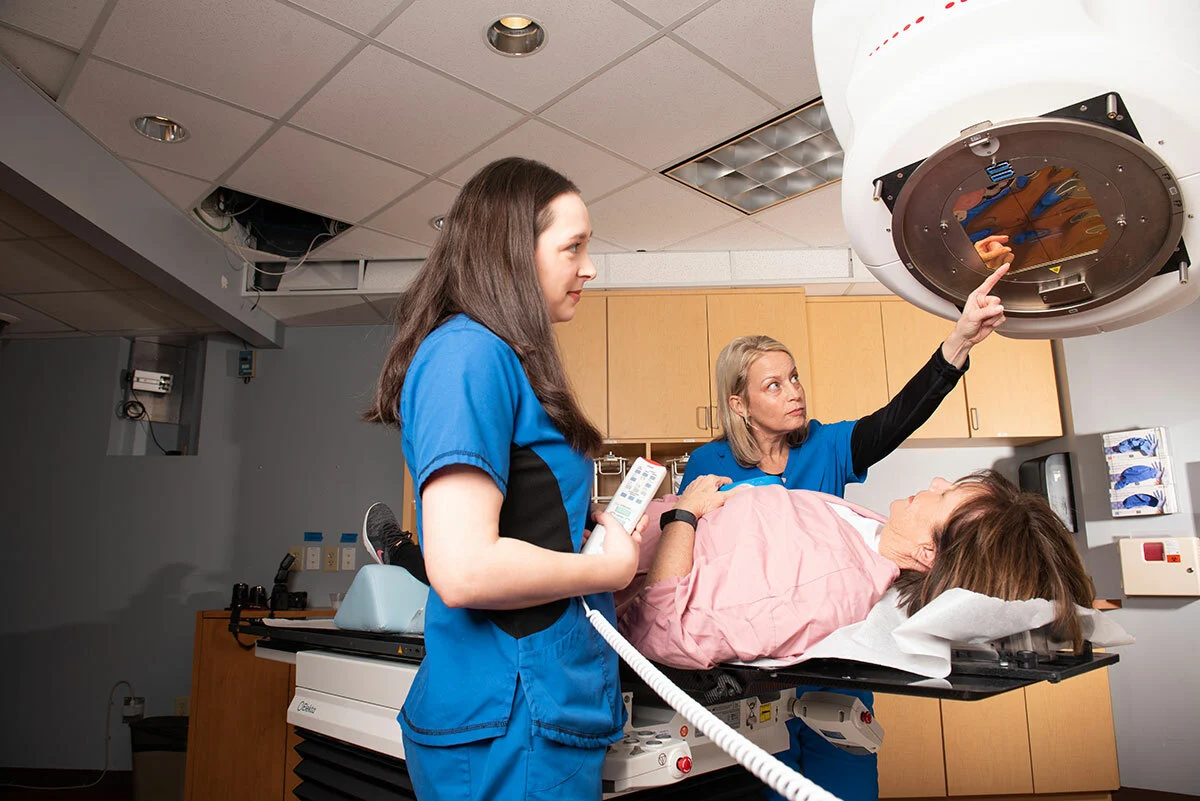
Radiation therapy uses high-energy radiation to destroy cancer cells in the uterus and surrounding tissues. It may be recommended after surgery to reduce the risk of recurrence or used as the primary treatment when surgery is not suitable.
- External Beam Radiation: External beam radiation delivers carefully targeted radiation from outside the body to the pelvic area. Treatment is planned using imaging to protect the surrounding healthy tissue.
- Brachytherapy (Internal Radiation): Brachytherapy involves placing radioactive material inside or near the tumour site. This allows a concentrated radiation dose to reach the affected area while limiting exposure to nearby organs.
Radiation therapy is often combined with other treatments to improve overall effectiveness.
Hormone Therapy
Some uterine cancers respond to hormones such as oestrogen or progesterone. Hormone therapy works by blocking these hormones or reducing their effect on cancer cells.
- Hormone-Blocking Medications: Doctors may prescribe medications that interfere with hormone signals that encourage tumour growth.
- Use in Selected Patients: Hormone therapy may be recommended for specific tumour types, older patients, or individuals who cannot undergo surgery.
This approach can help slow cancer growth while maintaining manageable treatment effects.
Chemotherapy
Chemotherapy uses medicines that destroy rapidly dividing cancer cells. It is usually recommended for advanced-stage uterine cancer or when the disease shows aggressive features.
Chemotherapy drugs may be administered intravenously or orally, depending on the treatment plan. While side effects such as fatigue, nausea, or hair loss may occur, doctors provide supportive care to help patients manage these symptoms effectively. Chemotherapy may also be combined with radiation or surgery in selected cases to improve treatment results.
Targeted Therapy and Immunotherapy
Advances in cancer research have introduced newer treatments for certain advanced or recurrent uterine cancers. These therapies focus on specific biological mechanisms involved in tumour growth.
- Targeted Therapy: Targeted therapy works by blocking specific molecules or pathways that promote cancer cell growth and spread.
- Immunotherapy: Immunotherapy stimulates the body’s immune system to recognise and attack cancer cells more effectively.
Doctors recommend these treatments after evaluating the tumour’s genetic and molecular characteristics. They provide additional options when standard treatments alone may not be sufficient.
Follow-Up Care and Monitoring
Follow-up care is an important part of uterine cancer treatment helping doctors monitor recovery and detect any recurrence early. Regular follow-up visits allow healthcare teams to evaluate the patient’s health and address concerns promptly.
- Physical Examinations: Doctors conduct routine clinical examinations to monitor recovery and identify any new symptoms.
- Imaging Tests: Ultrasound, CT, or MRI may be recommended when further evaluation is needed.
- Laboratory Monitoring: Blood tests may be used to assess overall health and detect treatment-related changes.
Regular follow-up supports long-term health and helps patients remain confident in their recovery journey.
Making Informed Treatment Decisions
Choosing the most appropriate treatment plan requires collaboration between the patient and the healthcare team. Doctors consider several factors before recommending a treatment approach, including the cancer stage, the patient’s health, and treatment goals.
Clear communication helps patients understand the benefits and potential risks of each option. When patients participate actively in decision-making, treatment plans often align better with their individual needs and preferences.
Conclusion
Uterine cancer care involves a range of medical and surgical treatments designed to address the disease at different stages. Surgery, radiation therapy, hormone therapy, chemotherapy, and newer targeted treatments all play a role in modern care.
Early diagnosis, personalised planning, and careful follow-up are essential for improving outcomes. With appropriate medical guidance and access to comprehensive uterine cancer treatment, patients can approach their care with greater understanding and confidence.