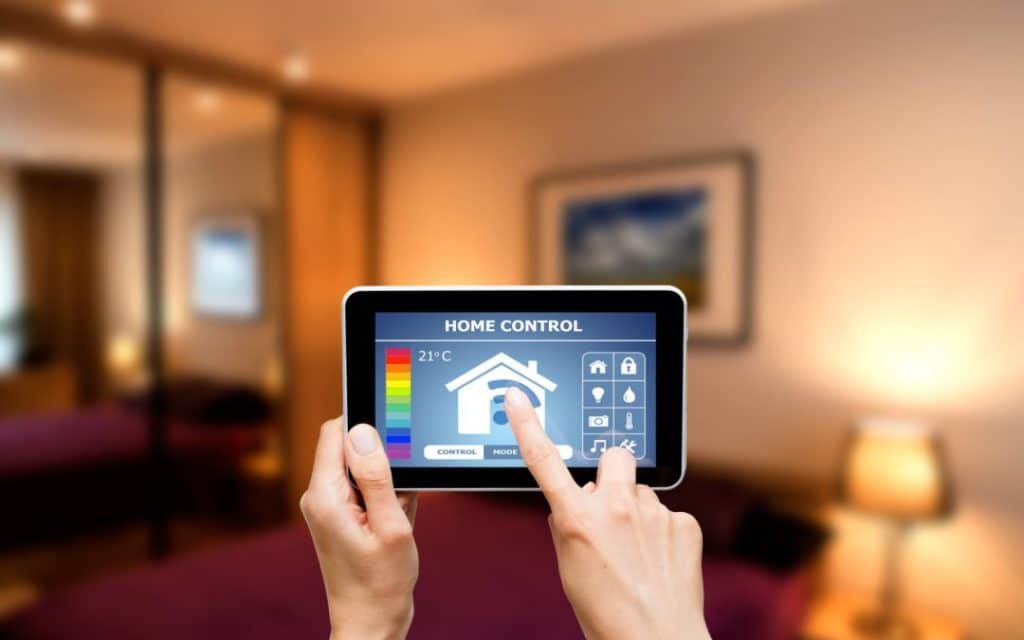
A smart home is considered to be the pinnacle of modern living. It seamlessly integrates technology into one’s daily life. As Joe Cianciotto mentions, smart home systems are designed for efficiency and comfort and provide the residents of a home with increased convenience and peace of mind. Smart home systems provide residents with the power to control multiple aspects of their home, like lighting, security, and entertainment, from a remote location by just a smartphone, tablet, or laptop. Many modern smart home systems are equipped with technologies like Artificial Intelligence (AI), which allow for intelligent detection and pattern recognition, thereby further enhancing energy efficiency and user convenience.
Joe Cianciotto talks about the evolution of smart home systems
Over the last two decades or so, the concept of smart home technology has evolved dramatically. Smart homes are largely characterized by the seamless integration of diverse systems and devices that can be remotely controlled, and help enhance comfort, convenience, and energy efficiency. Smart home automation represents a huge leap forward in the manner people live and interact with their living spaces. It presents a fusion of efficiency, convenience, and technology that can transform ordinary homes into intelligent ecosystems. Smart home systems can manage everything from entertainment and security to lighting and home temperature, as per the preferences and patterns of the inhabitants.
The concept of a “smart” home is not entirely new. It has evolved over the decades, from the basic automated systems to the highly integrated networks available today. Traditionally, home automation was limited to simple timer-based devices and wired systems that needed professional installation. However, the invention of the micro-controller in the 1970s paved the way for more cutting-edge applications. But it was not till the advent of the internet and wireless technology that smart home systems truly began to take shape. The introduction of Wi-Fi in the 1990s especially proved to be a gamechanger. It enabled devices within a home to communicate without requiring cumbersome wiring. Some of the early smart appliances and security systems came up during this period. The proliferation of smartphones in the 2000s accelerated the adoption of smart home systems by providing an intuitive interface for remotely controlling devices.
As Joe Cianciotto says, modern smart home systems often use technologies like IoT (Internet of Things), AI (Artificial Intelligence), and ML (machine learning) to create environments that can learn from user behavior, and accordingly automate tasks. Voice assistants have especially played an important role in managing such ecosystems, allowing for hands-free control over a variety of devices. Today, smart home automation stands at an exciting juncture, between rapid tech innovation and widespread consumer adoption. Smart homes today actively contribute to the well-being of their occupants through enhanced comfort and security measures against a variety of threats, along with environmental conservation efforts. In this era of digital transformation, having a smart home setup has become a symbol of modern living in many ways. After all, it combines convenience, efficiency, and enhanced security into the daily lives of people.