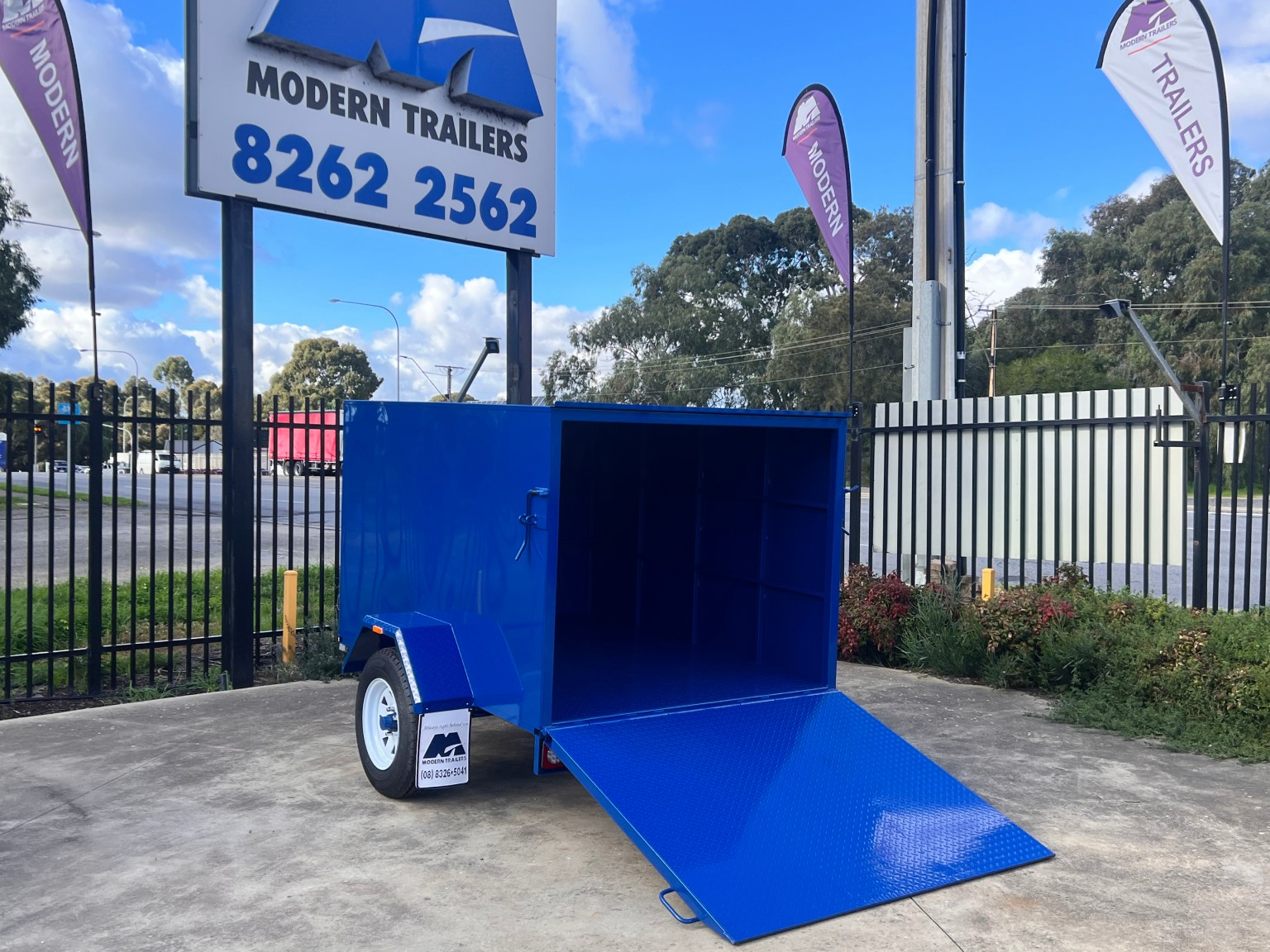
The process of choosing the right Australian trailers involves more than selecting a model that appears suitable. Careful consideration of how, where and how often the trailer will be used plays a key role in making the right decision. A well-matched trailer can improve towing safety, support efficient load management and contribute to long-term durability.
Understanding factors such as size, build quality and safety systems helps ensure reliable performance.
Start by Defining Exactly What You Need the Trailer For
The intended purpose of the trailer should guide every decision. For general transport of equipment or materials, a standard box or flatbed design may be sufficient. However, agricultural operations and livestock handling require more specialised options. Cattle trailers are designed with enclosed sides, secure gates and practical loading ramps to support safe and controlled animal transport. Clearly identifying your primary use helps ensure the trailer configuration aligns with daily tasks and operational requirements.
Choose the Right Size to Match Your Typical Load
Selecting the correct size improves both efficiency and safety. A trailer that is too small may limit carrying capacity and increase trips, while one that is too large can affect manoeuvrability and storage. When comparing Australian trailers, reviewing the Aggregate Trailer Mass rating is essential, as it determines the maximum safe load the trailer can carry.
For livestock transport, cattle trailers must also provide adequate internal space to allow animals to stand securely during transit. Matching the trailer’s dimensions and load rating to your usual requirements protects both the towing vehicle and its cargo.
Prioritise Strong Construction for Long-Term Durability
Durability is a key factor in overall value. Well-built trailers often feature reinforced steel frames and galvanised finishes that resist corrosion and harsh outdoor conditions. Strong welds, stable flooring and secure side panels contribute to long-lasting structural integrity, particularly in demanding rural environments. Choosing from quality Australian trailers with dependable construction reduces maintenance needs and supports consistent performance across varied applications.
Look for Suspension and Braking Systems That Support Stability
Suspension and braking systems significantly influence towing control. Effective suspension helps distribute weight evenly and reduces movement on uneven roads, improving stability. Braking systems should align with the trailer’s load capacity to provide reliable stopping power. Selecting a trailer with suitable mechanical components enhances road safety and minimises strain on the towing vehicle during regular operation.
Ensure Safety Features and Compliance Are in Place
Safety features are essential for responsible towing. Proper lighting, reflectors, safety chains and secure coupling systems help ensure compliance with road requirements.
Well-designed access points and secure latching mechanisms also support safe loading and unloading processes. Confirming these features are present and functional provides confidence that the trailer meets operational and regulatory standards.
Conclusion
A suitable trailer is defined by how well it aligns with its intended purpose and operating conditions. Careful attention to load capacity, structural durability, suspension quality and essential safety features supports safe and efficient operation across a range of tasks, including livestock transport with cattle trailers.
When these elements work together, the result is a reliable long-term investment that helps prevent operational challenges and unnecessary costs in the future.