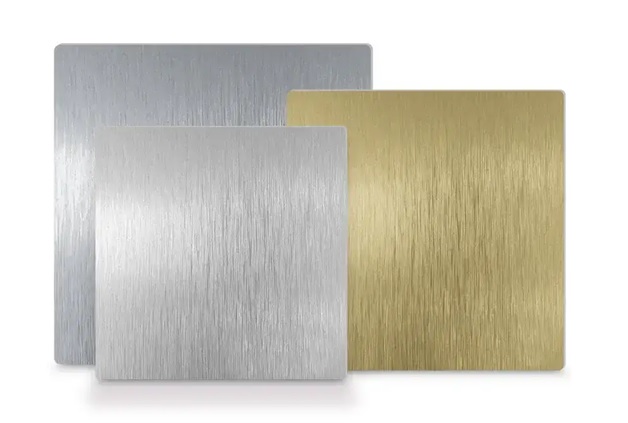
Anodized aluminum has become an essential material in modern fabrication due to its ability to combine strength, durability, and a visually striking finish. Bright anodized aluminum is widely recognized for its combination of durability, aesthetic appeal, and corrosion resistance, making it a preferred choice across architecture, automotive, electronics, and precision manufacturing sectors. Its versatility allows designers and engineers to achieve functional performance without compromising on style or longevity. However, like any high-performance material, its effectiveness depends on careful handling, proper installation, and ongoing maintenance. Extending the lifespan of these components not only preserves structural integrity but also ensures they retain their polished appearance over time.
By implementing these tips, organizations and designers can optimize performance while minimizing operational costs and material degradation, making anodized aluminum a truly long-term solution.
1. Proper Handling and Installation Practices
Ensuring the longevity of bright anodized aluminum begins with careful handling and precise installation. Proper techniques prevent surface damage, maintain structural integrity, and preserve the material’s visual appeal. Attention to contamination, transport, and alignment during installation lays the foundation for durable, high-performing components.
- Avoid Surface Contamination: Always handle components with clean gloves to prevent oils or dirt from adhering to the surface. Contaminants can compromise the anodized layer, leading to discoloration or premature wear. Maintaining a clean workspace ensures the finish stays pristine.
- Support During Transport: Use padded crates, foam separators, or protective wraps to prevent scratches or dents. Uncontrolled movement during shipping can damage the anodized coating. Proper support minimizes the risk of surface imperfections.
- Precision in Installation: Ensure all fasteners, joints, and fixtures are carefully aligned to avoid surface abrasion. Misalignment or over-tightening can puncture or scratch the anodized layer. Correct installation preserves both structural integrity and aesthetic appeal.
2. Environmental Protection Strategies
Environmental factors such as chemicals, UV exposure, moisture, and temperature fluctuations can significantly impact anodized aluminum’s lifespan. Implementing proactive protection measures ensures that the material retains both its strength and finish over time, enhancing its long-term performance in demanding settings.
- Minimize Exposure to Harsh Chemicals: Keep components away from strong acids, alkalis, or industrial solvents. These substances can erode the anodized layer over time. Protective handling ensures long-term surface integrity.
- Control UV and Moisture Exposure: Use design measures such as shading, drainage systems, or protective coatings in outdoor settings. Continuous UV or water exposure can fade or damage the finish. Preventive measures maintain color and sheen.
- Temperature Management: Avoid prolonged exposure to extreme heat or rapid thermal cycling. High temperatures can stress the anodized layer, causing micro-cracks or deformation. Controlled thermal conditions prolong component life.
3. Routine Cleaning and Maintenance Tips
Regular cleaning and inspections are crucial for preserving bright anodized aluminum surfaces. Gentle, non-abrasive maintenance routines help prevent scratches, discoloration, and wear, while preventive polishing restores brightness and ensures that components maintain their professional appearance throughout their lifecycle.
- Gentle Cleaning Practices: Use soft cloths and mild, non-abrasive detergents for routine cleaning. Harsh scrubbing or strong chemicals can scratch or dull the surface. Consistent care preserves both appearance and durability.
- Scheduled Inspections: Regularly check for scratches, discoloration, or surface wear to identify potential issues early. Early detection allows for corrective action before significant damage occurs. This proactive approach enhances longevity.
- Preventive Polishing: Occasionally, polish components with products designed for bright anodized aluminum. Polishing restores brightness and removes minor surface imperfections. This keeps components visually appealing over time.
4. Mechanical Stress and Load Management
Managing mechanical forces is essential to prevent structural compromise and surface damage in anodized aluminum components. Proper load distribution, impact reduction, and precise fastening techniques safeguard the anodized layer, ensuring continued durability and functionality under operational conditions.
- Avoid Overloading Components: Ensure that parts are used within their specified load limits. Excessive force can warp or crack aluminum, reducing performance. Proper load management prevents structural compromise.
- Minimize Impact and Abrasion: Install protective barriers or soft coatings in high-contact areas. This prevents scratches, dents, or surface wear that can weaken the anodized layer. Maintaining surface integrity ensures long-term functionality.
- Proper Fastening Techniques: Use torque-controlled screws and bolts to secure components without deforming the surface. Incorrect fastening can create stress points, causing cracks or damage. Correct methods safeguard both structure and finish.
5. Integration with Complementary Materials
When combining anodized aluminum with other materials, careful consideration of compatibility and design is key. Using insulating layers, compatible coatings, and accounting for thermal expansion prevents galvanic corrosion, surface damage, and structural stress, extending the lifespan of components while maintaining aesthetic appeal.
- Avoid Direct Contact with Dissimilar Metals: Place insulating layers between aluminum and metals like copper or steel to prevent galvanic corrosion. Contact can accelerate wear and compromise the anodized layer. Proper separation extends component life.
- Select Compatible Coatings: Ensure paints, sealants, or protective layers are chemically compatible with anodized aluminum. Incompatible materials may stain, peel, or chemically degrade the surface. Compatibility preserves aesthetics and function.
- Design for Thermal Expansion: Account for differential expansion when joining aluminum with other materials. Unmanaged expansion can create stress cracks or separation points. Smart design prevents structural and visual damage.
Conclusion
Extending the lifespan of anodized aluminum components requires a comprehensive approach that includes proper handling, environmental protection, routine maintenance, stress management, and intelligent material integration. Each tip contributes to preserving both the structural integrity and visual appeal of these components, making them a cost-effective, high-performance solution for modern fabrication challenges. By applying these expert strategies, manufacturers, designers, and engineers can ensure that their aluminum products deliver maximum durability and maintain a polished, professional appearance over years of use.
For tailored solutions, technical expertise, and access to high-quality anodized aluminum products, connecting with JM Aluminium ensures your projects benefit from precision-engineered components designed for longevity, performance, and elegance. Their comprehensive range of anodized aluminium sections provides versatile options for structural, architectural, and decorative applications, enabling designers and manufacturers to achieve both functional reliability and sophisticated aesthetics.