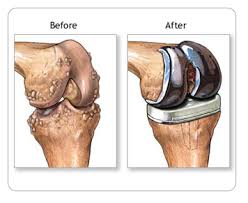
Factors to Consider Before Undergoing Knee Replacement in Mumbai
Living with long-term knee pain can change how a person moves through the day. Tasks that once felt simple, like walking to the market, getting into a car, or standing for too long, start feeling difficult. When treatments no longer bring enough relief, doctors may discuss options such as knee surgery. Before considering knee replacement, knowing the key factors involved can make the decision easier.
Understanding When Knee Replacement Is Needed
When knee pain affects daily activities like walking or climbing stairs, people start exploring long-term options. In a busy city like Mumbai, daily travel and routine strain can make discomfort more noticeable. This often leads to a discussion with the doctor about possible surgical choices.
For those considering knee replacement in Mumbai, surgery is suggested only after a complete medical evaluation. It is usually advised when conditions like osteoarthritis, rheumatoid arthritis, or injury cause significant joint damage. If treatments such as physiotherapy, medication, weight control, or braces no longer provide relief, surgery may be considered. X-rays or MRI scans give the doctor a clearer view of the joint and help decide what comes next.
Assessing Overall Health and Medical Fitness
Before recommending surgery, doctors check whether the patient is medically fit for the procedure. They assess blood pressure, heart health, sugar levels, and general immunity. People with diabetes or hypertension are advised to keep their levels stable to support safer healing.
Tests such as blood tests, ECGs, and chest X-rays are usually performed during this stage. If any infection is found, surgery is delayed until it is treated. This helps protect the new joint and supports a smoother recovery.
Choosing the Right Hospital and Specialist
Finding the right hospital and surgeon is an essential part of preparing for knee joint surgery. A simple checklist can guide this process.
- The hospital’s experience in joint replacement
- Cleanliness and infection control practices
- Availability of physiotherapy and follow-up care
- The surgeon’s experience with knee replacement procedures
- Clear communication about risks, recovery, and expectations
Nanavati Max Super Speciality Hospital offers structured orthopaedic care, skilled specialists, and steady support, helping patients feel more confident about their recovery.
Types of Knee Replacement
Knowing the types of knee surgery can help patients feel more prepared.
Total Knee Replacement (TKR):
The entire joint surface is replaced. It is often advised that most parts of the knee are damaged.
Partial Knee Replacement (PKR):
Only the affected section is replaced. This approach is suitable for early-stage arthritis or limited joint damage.
The doctor will recommend the option that best fits the patient’s age, lifestyle, bone health, and the extent of damage.
Financial Planning and Insurance
Planning finances early can make the treatment journey smoother. Some common cost-related points to check include:
- Hospital and surgery charges
- Cost of the implant
- Room stay and nursing care
- Physiotherapy sessions after surgery
- Insurance coverage for medicines and rehabilitation
Discussing these details with the hospital’s finance team can prevent confusion later. Precise planning helps patients focus on recovery with fewer worries.
Preparing Physically and Mentally for Surgery
Good preparation can support a smoother recovery. Patients often find the following steps helpful:
- Light exercises to strengthen the thigh and calf muscles
- Keeping sugar levels, blood pressure, or heart conditions stable
- Maintaining a healthy weight to reduce strain on the joint
- Arranging support at home for the first few weeks
- Discussing expectations clearly with the doctor
Preparing both physically and mentally can help patients feel more ready for surgery.
Post-Surgery Care and Rehabilitation
Healing begins soon after surgery, and physiotherapy usually starts within a day or two. Gentle exercises help improve movement and reduce stiffness. Patients first walk with support and then gradually on their own. Taking medicines as advised and keeping the wound clean are essential parts of this stage.
Timelines may vary, but many people return to basic activities within six to twelve weeks. Complete healing may take a few months. Support from family during this period can make daily tasks easier and offer emotional comfort.
Lifestyle Adjustments After Surgery
Certain lifestyle habits can support long-term comfort after surgery. Patients are often advised to:
- Choose low-impact activities such as walking, cycling, or swimming
- Avoid activities that strain the joint, like running or deep squats
- Maintain a healthy weight to reduce strain on the knee
- Use support when climbing stairs if needed
- Attend regular follow-up visits
These habits can help patients stay active and protect their joints over time.
Possible Risks and Complications
Every surgery has some risks, and knee replacement is no different. Knowing them can help patients feel more prepared. Possible concerns include:
- Infection around the incision
- Blood clots in the legs
- Loosening or changes in the implant over time
- Stiffness or limited movement
- Rare irritation of nearby nerves or blood vessels
Many of these issues can be managed when noticed early and discussed with the doctor.
Conclusion
Knee surgery can improve comfort and movement for many people, but it needs careful planning. When thinking about knee replacement in Mumbai, reviewing a few key points can help. These include medical fitness, the choice of hospital and specialist, financial arrangements, and physical and emotional readiness. With clear guidance and steady support, patients can move forward with more confidence and understanding.
About the Author