Making well-informed price judgments is essential when purchasing Paint Protection Film (PPF) for your car. Many automobile owners make typical mistakes that result in excessive expense or inadequate protection. Being able to browse PPF price alternatives can help you get great value without incurring extra costs. In order to assist you choose ppf coating price for car in a way that combines quality and affordability, this article lists eight crucial errors to avoid.
-
Focusing Solely on the Lowest Price Tag
The desire to select the least expensive PPF option on the market frequently results in unsatisfactory outcomes and future costs. Low-cost options usually employ thinner, less durable coatings, which lead to early peeling, yellowing, and diminished protective qualities. Unlike high-quality alternatives that last 5–10 years, these subpar items may need to be replaced in 1-2 years. Think at the protection’s yearly cost instead than simply the initial outlay. By reducing the need for frequent replacements and better maintaining the look of your car over time, premium materials usually offer superior long-term value for a somewhat higher upfront cost.
-
Overlooking Partial Coverage Limitations
For financial reasons, many automobile owners make the error of choosing limited PPF coating (often only the front bumper or hood), failing to recognize the protective gaps this causes. Although partial coverage is initially less expensive, it exposes large areas of your car to harm. Impact zones differ according to regional road features, vehicle design, and driving circumstances. Damage to areas including rear bumpers, door edges, and rocker panels is common and can be expensive to fix. Instead of using arbitrage pricing points to determine covering regions that can leave important portions unprotected, carefully consider your unique driving environment and vehicle usage habits before determining where protection is actually needed.
-
Neglecting to Research Film Quality Differences
Despite having comparable pricing ranges, not all paint protection film perform equally, so it’s crucial to do your homework on products before comparing estimates. High-end films have cutting-edge characteristics including improved stain resistance, higher optical clarity, and self-healing capabilities that use heat activation to fix small scratches. Although low-cost options can seem comparable at first, they lack certain essential qualities that keep their appeal over time. When getting quotations, ask for particular product names. Then, look up the features, warranty durations, and customer reviews of those goods on your own. In order to enable realistic comparisons rather than potentially deceptive price-only evaluations, this research determines if pricing discrepancies represent true quality variances or merely different markup tactics.
-
Dismissing Installation Expertise Value
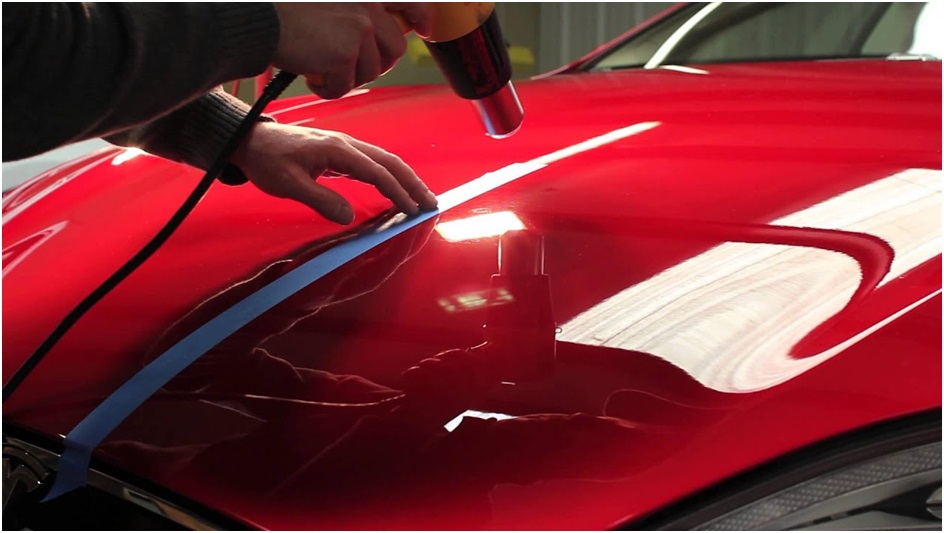
When assessing PPF coating costs, it is crucial to not undervalue the significance of specialist installation knowledge. When put incorrectly, even the best-quality film produces subpar effects; therefore the installer’s degree of expertise is just as crucial as the actual product. Skilled technicians guarantee edge alignment to avoid early lifting, employ appropriate stretching techniques to negotiate intricate curves, and use precise cutting processes (whether computer-cut or hand-cut). For the best adhesion, their facility settings regulate temperature and dust. Despite employing good materials, lower-priced services can reflect untrained installers working in less-than-ideal conditions, which might result in obvious seams, bubbles, and alignment problems that reduce protection and beauty.
-
Misunderstanding Warranty Coverage Details
Misunderstandings regarding the actual value offered are sometimes caused by superficial warranty comparisons that do not look at covering details. Comprehensive warranties covering film flaws, discoloration, and installation craftsmanship are included with high-quality PPF installations. The terms of warranties, however, fluctuate greatly throughout providers, with notable variations in the covered circumstances and the procedures for filing claims. Certain warranties include exorbitant exclusions or unreasonably high maintenance requirements that reduce their usefulness. Others pass on to later owners, which might raise the car’s market value. To evaluate the true protection behind the stated coverage duration rather than only comparing year statistics, get detailed warranty documentation from each provider before making price-based judgments. Make sure to note exclusions, maintenance requirements, and transferability possibilities.
-
Failing to Account for Preparation Standards
Longevity and attractiveness are greatly impacted by the quality of preparation prior to PPF application, however many buyers ignore this aspect when comparing costs. Proper washing, clay bar treatment, paint cleaning, and even paint repair to fix preexisting flaws are all part of thorough preparation. These essential stages are frequently shortened in budget-conscious organizations in an effort to save personnel expenses and boost daily vehicle throughput. Inquire explicitly about preparation methods and time allocation when a quote is abnormally low. It usually takes a few hours to properly prepare before installation even starts. Thorough preparation requirements are worth the extra money since surface impurities trapped beneath the film cause obvious flaws and possible adhesion failures that jeopardize both protection and aesthetics.
-
Ignoring Post-Installation Support Services
Since your connection with your PPF provider doesn’t end on the day of installation, continuing support services are a crucial factor to take into account when comparing costs. Businesses that prioritize quality provide maintenance advice, post-installation inspections, and problem-solving services in the event that problems arise. Over the course of its life, this ongoing care guarantees optimal film performance. Generally speaking, budget providers use volume-based business models that reduce post-service communication, depriving clients of expert support in the event that queries or issues emerge. Ask about maintenance consultations, follow-up inspections, and procedures for resolving possible future problems before making a decision based largely on cost. The availability of these support services is a concrete benefit that explains the reasonable pricing variations across suppliers of comparable goods with varying degrees of customer satisfaction.
-
Succumbing to Unnecessary Upselling Pressure
Premium packages that are pushed beyond your real demands by high-pressure salespeople can raise prices dramatically without offering commensurate advantages. To support significant price increases, some facilities design complex package tiers with little discernible variations. Ask for itemized breakdowns outlining the precise benefits offered and what each pricing category contains while weighing your alternatives. Before agreeing to suggestions for the priciest solutions, take into account your real driving habits, vehicle usage patterns, and anticipated length of ownership. Critical assessment of recommended upgrades is crucial for cost-effective decision-making since quality protection should be customized to your unique needs rather than following pre-made packages intended only to increase sales income.
Conclusion
You may make confident and clear ppf car coating price selections via Fortify Car Care if you are aware of these typical issues. You may choose paint protection film services that offer true value for your particular car and situation by avoiding these eight common blunders. Keep in mind that the greatest deal isn’t always the one with the lowest cost; rather, it’s the one that offers dependable protection, expert installation, and the right coverage for your specific requirements without needless frills or sacrificing quality.
About the Author